







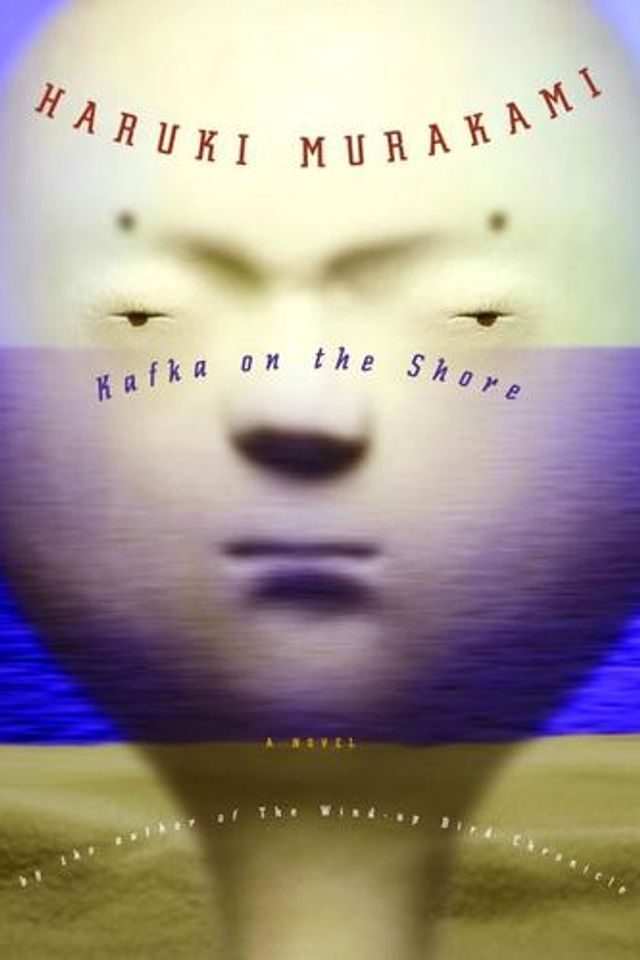
Kafka on the Shore
Surreal fantasy replaces grounded realism and Tokyo melancholy.
Murakami's Kafka on the Shore follows fifteen-year-old Kafka Tamura, who runs away from home on his birthday, and Nakata, an old man who can talk to cats. Where Norwegian Wood is Murakami's most grounded novel, Kafka on the Shore is one of his most fantastical, but both share the same emotional undercurrent: young people trying to outrun grief and ending up deeper inside it.
Kafka is younger than Toru but carries the same quiet desperation, moving through the world with a politeness that hides enormous pain. Murakami writes both novels with the same spare, translated-feeling prose that has become his signature, and both use music as emotional shorthand: The Beatles in Norwegian Wood, Beethoven and Prince in Kafka on the Shore.
The fantastical elements in Kafka add a layer of mystery that Norwegian Wood does not have, but both novels are fundamentally about the same thing: a person alone, trying to make sense of loss, moving through a world that offers beauty but no answers. For readers who loved Norwegian Wood's atmosphere, Kafka on the Shore provides the same feeling with a surreal twist.