




The House of the Spirits
Women narrate their own generations instead of an omniscient voice.
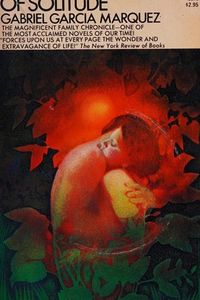
Isabel Allende's 1982 debut follows the Trueba family across three generations in Chile, from the early 1900s through the 1973 military coup. Clara del Valle, the matriarch, has telekinetic powers and talks to spirits. Her husband Esteban is a brutal landowner whose violence shapes every generation that follows. Allende wrote this novel partly in response to Garcia Marquez, and the parallels are clear: a multigenerational family saga set against political upheaval, with supernatural elements woven into daily life.
But Allende centers women's experiences in a way Marquez rarely does. Clara, her daughter Blanca, and her granddaughter Alba each tell their portion of the story, and each generation of women pushes back against the patriarchal violence that Esteban represents. The political history here is specific to Chile, but the family dynamics feel universal. Allende matches Marquez's ability to make the supernatural feel as natural as breathing.
When Clara moves objects with her mind, it carries the same weight as when Remedios the Beauty floats up to heaven. Neither author asks you to question it. You just accept it and keep reading.