






Dark Matter
Parallel universes replace memory-altering neuroscience.
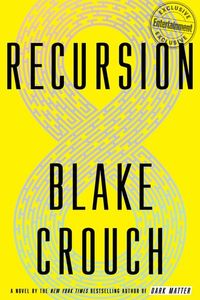
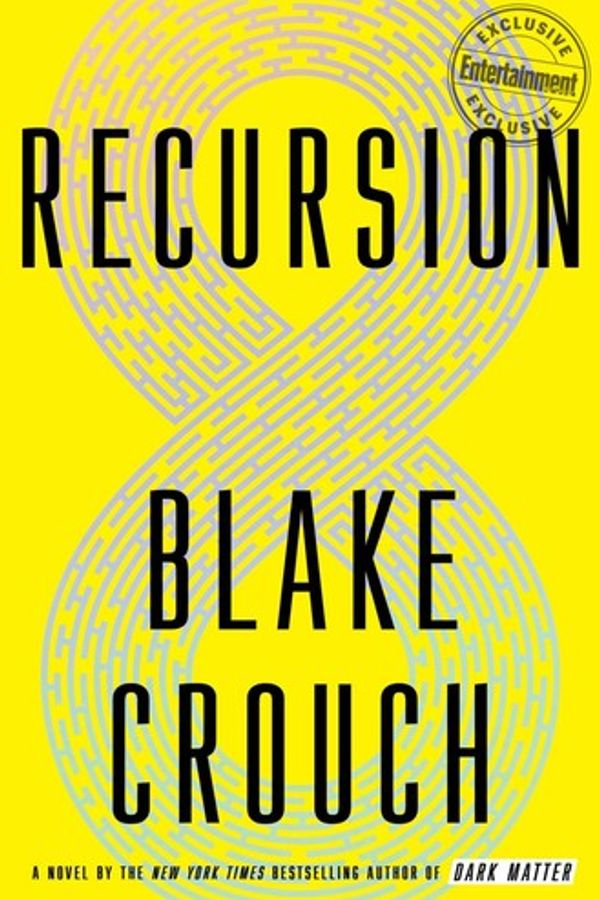
Blake Crouch's own Dark Matter follows Jason Dessen, a physics professor who gets kidnapped and wakes up in an alternate version of his life where he made different choices. Like Recursion, the book takes a single scientific concept and pushes it to its most terrifying logical conclusion, asking what happens when you can access the roads not taken. The pacing matches Recursion's relentless momentum, rarely giving the reader a chance to breathe between revelations.
Where Recursion bends memory, Dark Matter bends the multiverse, but both books ground their high concepts in a protagonist fighting to get back to the people he loves. Crouch writes action sequences with cinematic precision, making each chase and confrontation feel physically real even when the science gets speculative. The emotional core stays anchored in family and identity: both novels ask whether you are still the same person if your reality changes underneath you.
The twist structure rewards attentive reading, planting clues early that pay off in ways that feel both surprising and inevitable. If you loved Recursion's combination of big ideas and fast plotting, Dark Matter delivers the same formula with a different equation.