

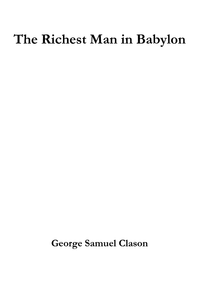




The Richest Man in Babylon
Ancient parables replace modern two-dads anecdotes.
George S. Clason's The Richest Man in Babylon delivers financial wisdom through parables set in ancient Babylon. The stories follow characters who learn principles like paying yourself first, living below your means, and making your gold work for you.
The book shares Rich Dad Poor Dad's conviction that financial success comes from following simple principles consistently rather than from earning a large income. Clason's parables distill the same lessons Kiyosaki teaches, including the importance of investing rather than spending, the danger of debt, and the value of seeking financial mentors. The parable format makes the advice memorable in a way that spreadsheets and charts cannot match.
Published in 1926, the book proves that the fundamentals of wealth building have not changed in nearly a century. The language is deliberately archaic, giving the financial advice the weight of ancient wisdom. For readers who loved Rich Dad Poor Dad's approach of teaching money concepts through story rather than textbook instruction, The Richest Man in Babylon is the oldest and most enduring version of the same approach.