



The Road
The tone is relentless horror rather than elegiac beauty.
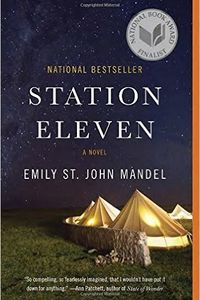
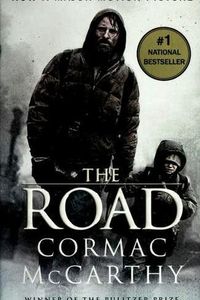
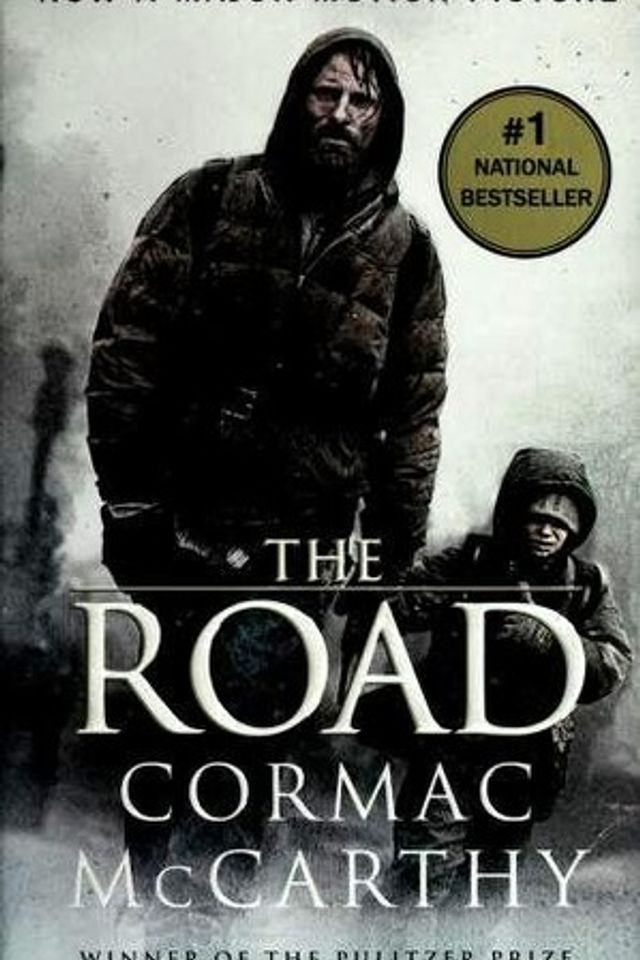
Cormac McCarthy's The Road follows a father and son walking south through a burned and ashen America after an unspecified catastrophe. The novel is Station Eleven's dark mirror: where Mandel finds beauty in the aftermath, McCarthy finds mostly horror. The prose is stripped to bone, with no quotation marks, minimal punctuation, and sentences that land like blows.
What connects the two novels is their shared belief that love persists in the ruins. The father's devotion to his son is absolute and irrational, the same kind of faith that drives the Traveling Symphony to perform Shakespeare for audiences who have never seen a play. Both novels understand that survival without purpose is just delayed death, and both locate that purpose in human connection rather than material resources.
The Road is a shorter, more intense reading experience than Station Eleven, the kind of book you finish in a single sitting and carry with you for weeks afterward. McCarthy won the Pulitzer Prize for it in 2007, and its influence on post-apocalyptic fiction has been enormous.