






The Poppy War
The tone is more brutal and less atmospheric than Shannon's epic.
R.F. Kuang takes the scope and political complexity of Priory and compresses it into a tighter, more brutal package. Rin rises from poverty to attend a military academy, discovers she can channel the power of a phoenix god, and watches her world collapse into war.
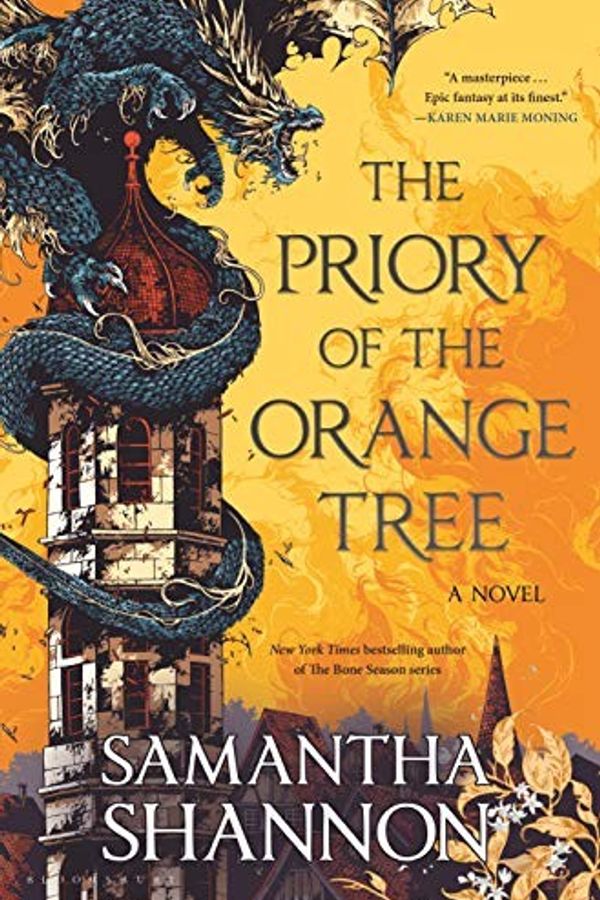
Shannon and Kuang share an interest in how myths become weapons: in Priory, the Nameless One is both genuine threat and political tool. In The Poppy War, the gods are real but the humans who channel them pay with their minds. Both authors draw from real-world history and mythology rather than recycling Western European templates, with Kuang building from Chinese history and Shannon weaving together influences from across the globe. Kuang's prose is blunter than Shannon's, more concerned with visceral impact than atmospheric description.
Rin's character arc goes darker than anything in Priory, pushing past heroism into territory where the line between savior and monster disappears. The trilogy format lets Kuang track consequences across years, showing what happens after the war ends and the hero has to live with what she did. If Priory's scale and its willingness to center non-Western cultures spoke to you, The Poppy War delivers the same ambition with sharper teeth.