




And Then There Were None
No speculative time loop complicates the mystery.
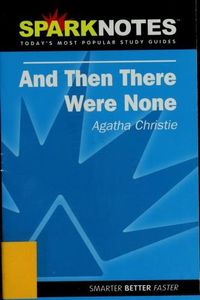
Agatha Christie's masterwork is the template that Turton both honors and explodes. Ten strangers arrive on an isolated island, each accused of a past crime, and they die one by one according to a nursery rhyme. Christie invented the definitive closed-circle mystery here: no escape, no police, no outside help. Every person on the island is simultaneously a suspect and a potential victim.
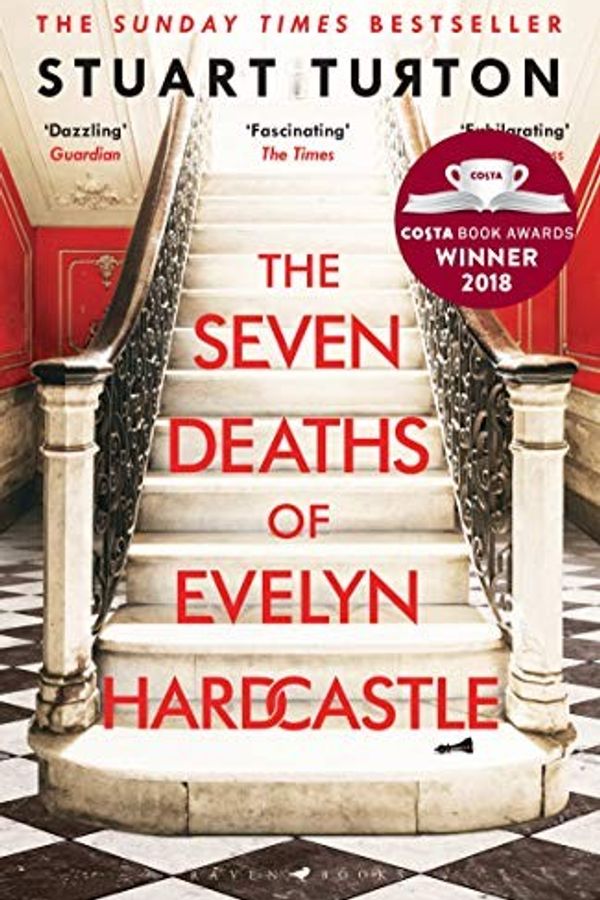
The novel shares Turton's love of rigid structural rules. Where Turton gives his protagonist eight hosts and one day, Christie gives her characters ten little soldiers and a shrinking group. Both books treat the mystery as a logic puzzle with an aesthetic dimension, and both reward readers who track the mechanics rather than guessing randomly. Christie's prose is leaner and faster than Turton's, with zero speculative elements to complicate the whodunit.
That simplicity is part of the pleasure: And Then There Were None proves that a mystery can be electrifying without bending reality, using nothing but setting, suspects, and a ticking clock. Readers who loved the puzzle-box structure of Seven Deaths but want it in its purest, most streamlined form should start here.