




The Name of the Rose
A medieval monastery replaces postwar Barcelona.
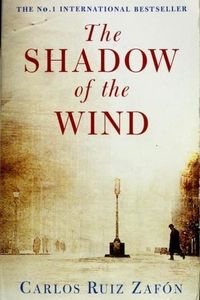
Umberto Eco's The Name of the Rose is set in a fourteenth-century Italian monastery where a series of murders is connected to a forbidden book hidden in a labyrinthine library. Like The Shadow of the Wind, it is a novel about the lethal power of texts, about institutions that kill to control what people read.
Eco brings a semiotician's intellect to his mystery, layering theological debate, medieval history, and literary theory into a detective plot that works on multiple levels simultaneously. Where Zafon writes with romantic intensity, Eco writes with cerebral precision, but both share the conviction that books are not passive objects but active forces that shape the lives of everyone who touches them.
The monastery library in The Name of the Rose is the Cemetery of Forgotten Books' medieval ancestor: a place where knowledge is preserved by being hidden, and where the act of reading becomes an act of transgression. Both novels feature investigators who are drawn into their puzzles so deeply that they become part of the story they are trying to uncover.