




Outlander
The time travel goes one way into 18th-century Scottish history.
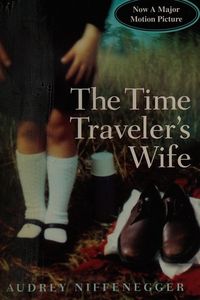
Diana Gabaldon's Outlander sends Claire Randall, a World War II combat nurse, through a standing stone in the Scottish Highlands and into 1743, where she must navigate Jacobite politics, Highland culture, and an intense connection with warrior Jamie Fraser. Like The Time Traveler's Wife, the novel uses time displacement to create a romance where the lovers exist in a state of constant precariousness, never knowing when circumstances will tear them apart. Both Niffenegger and Gabaldon treat the historical periods their characters visit with meticulous research, grounding the fantastical premise in physical and cultural specificity.
Claire and Henry share the experience of being strangers in their own timelines, forced to adapt to situations where their knowledge is simultaneously an asset and a burden. The emotional stakes in Outlander build through the same mechanism as The Time Traveler's Wife: watching two people fight to maintain a connection that the rules of their world actively work to sever. Gabaldon writes with sensory immediacy that makes 18th-century Scotland feel as visceral as Niffenegger's contemporary Chicago.
The series spans multiple books, giving readers who want to stay in this world plenty of room to do so.