
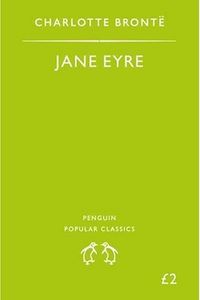




Jane Eyre
Jane holds firm to moral principle where Catherine surrenders.
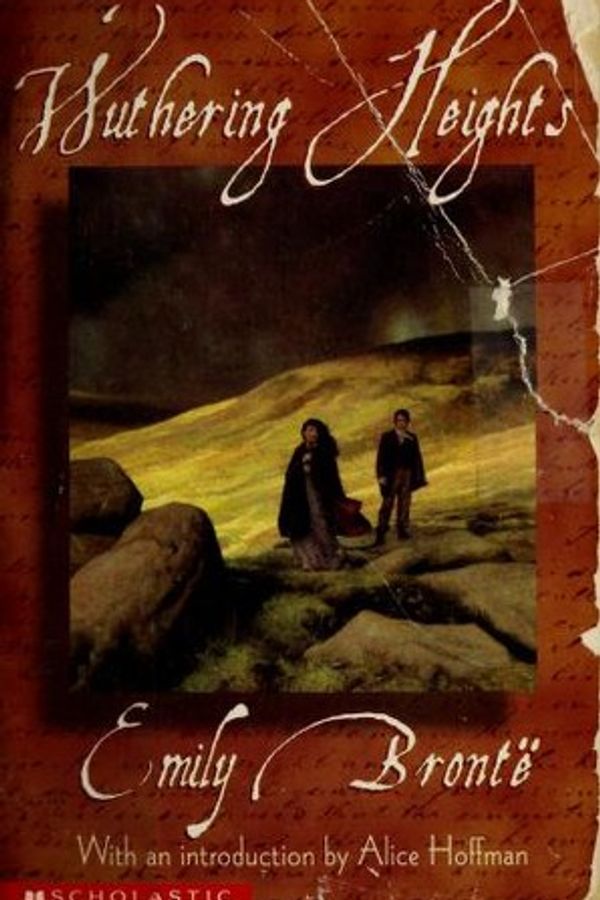
Charlotte Bronte's Jane Eyre inhabits the same literary universe as her sister's novel but approaches its themes from the opposite direction. Where Catherine surrenders to passion and is destroyed by it, Jane Eyre holds firm to her moral principles even when doing so costs her everything she wants. Both novels feature brooding men with dark secrets, isolated manor houses, and love stories that feel almost supernatural in their intensity.
Rochester keeps a terrible secret locked in his attic, and the reveal of what it is ranks alongside any twist in Wuthering Heights for sheer gothic shock. Jane herself is the anti-Catherine: plain, principled, and unwilling to sacrifice her self-respect for any man, no matter how much she loves him. Charlotte writes with more warmth than Emily, but the Yorkshire landscape and the class tensions feel identical.
Reading Jane Eyre after Wuthering Heights shows you two sisters who looked at the same world and drew opposite conclusions about whether love can survive integrity. Jane Eyre argues that it can, but only if both people are willing to be broken down and rebuilt first.