





Scaramouche
French Revolution replaces Napoleonic wartime backdrop.
Rafael Sabatini's Scaramouche opens with one of the most famous first lines in adventure fiction and never lets up. Andre-Louis Moreau watches his friend murdered by a nobleman and swears to bring the aristocratic system down. Set during the French Revolution, the novel follows Moreau as he reinvents himself multiple times: lawyer, actor, fencing master, and eventually revolutionary politician.
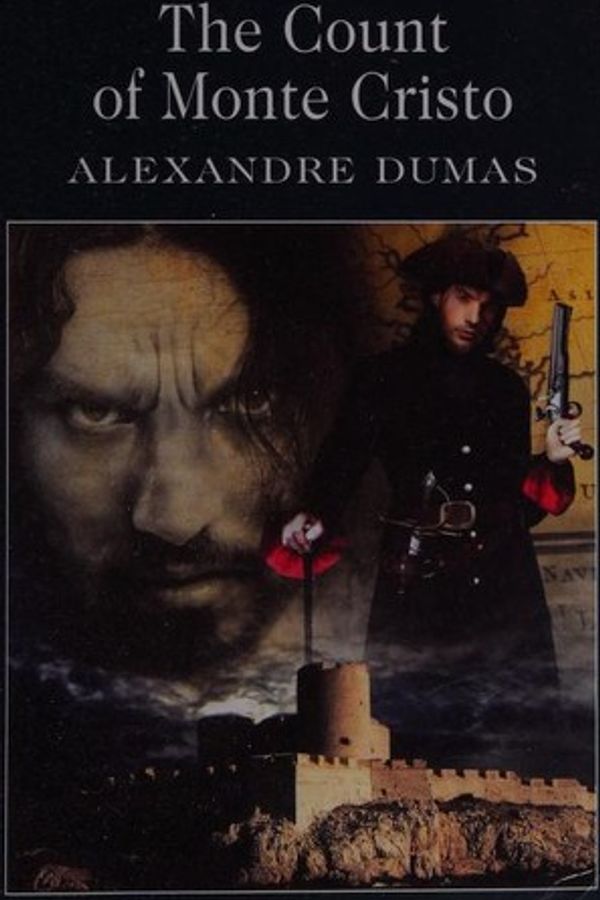
That pattern of transformation mirrors Dantes's own metamorphosis in Monte Cristo, and Sabatini matches Dumas in his ability to make each new identity feel earned and necessary. The fencing sequences rank among the best action writing in the genre. Sabatini also shares Dumas's understanding that revenge changes the avenger as much as it punishes the target, and Moreau's gradual radicalization gives the novel real moral weight beneath its adventure-story surface.
The French Revolution setting provides the same sense of a world tipping into chaos that Dumas created with his Napoleonic backdrop. Scaramouche proves that the adventure novel, done right, can be just as psychologically rich as any literary fiction.