




The Kite Runner
1970s Kabul and redemption quest replace Long Island glamour.
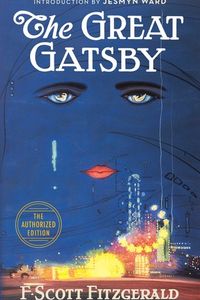
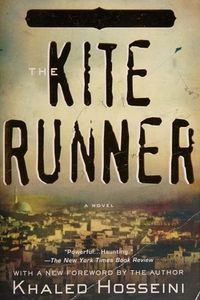
Khaled Hosseini's The Kite Runner shares Gatsby's preoccupation with the past and the impossibility of returning to it. Both novels feature narrators haunted by guilt and driven by the need to make amends for betrayals committed in youth. Fitzgerald and Hosseini both use their first-person narrators as windows into larger social worlds: 1920s Long Island and 1970s Kabul, respectively.
Both books build toward moments of devastating consequence that the narrators saw coming and did nothing to prevent. The prose styles differ, with Hosseini writing in a more direct emotional register than Fitzgerald's polished irony, but both achieve a similar effect: making the reader complicit in the narrator's failure to act. Both stories end with a reaching back toward something that cannot be recovered.
For readers who loved Gatsby's meditation on guilt, class, and the weight of the past, The Kite Runner delivers the same emotional trajectory in a radically different setting.