







The Testaments
Three perspectives across generations replace Offred's single voice.
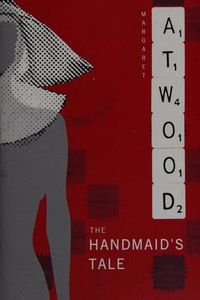
Atwood's own sequel arrived thirty-four years after The Handmaid's Tale and picks up the story of Gilead from three perspectives: Aunt Lydia, now an aging power broker within the regime; Agnes, a girl raised in Gilead who has never known freedom; and Daisy, a young Canadian activist who discovers her connection to the theocracy across the border. Where the original novel confined readers to Offred's limited viewpoint, The Testaments opens the lens wide, showing how Gilead functions from the inside and how resistance takes root in unexpected places. Atwood writes Aunt Lydia with a moral complexity that the original novel only hinted at, turning the regime's enforcer into its most dangerous subversive.
The pacing runs faster than The Handmaid's Tale's slow-burn dread, adding thriller mechanics to the literary dystopia framework. Both novels share Atwood's conviction that every detail of Gilead has a historical precedent, and the sequel makes those precedents even more explicit. The younger characters bring a different energy from Offred's careful restraint, giving the book an urgency that matches the current political moment.
This is the obvious first recommendation for anyone who finished The Handmaid's Tale wanting to know what happens next.