
search
auto_stories

Start typing to search our library

Books like The Invisible Man

Books that share the Black American identity, systemic oppression, and first-person search for self in The Invisible Man.

7
Picks
7 min
Read
May 2026
Updated
The Invisible Man cover
BOOKS SIMILAR TO
1952Published
480Pages
Literary Fiction Genre
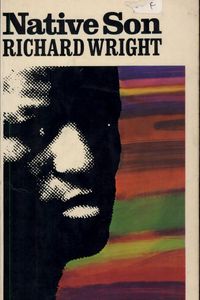
Native Son cover
Year 1940 Pages 399 Genre Literary Fiction Match 87%

Native Son

But diverges

Blunt naturalism replaces surreal irony.

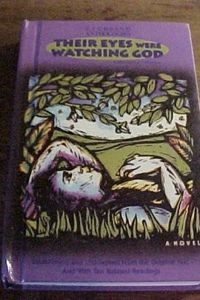
Their Eyes Were Watching God cover
Year 1937 Pages 231 Genre Literary Fiction Match 82%

Their Eyes Were Watching God

But diverges

A rural woman's three marriages replace a man's urban odyssey.

The Bluest Eye cover
Year 1970 Pages 176 Genre Literary Fiction Match 84%

The Bluest Eye

But diverges

A young Black girl in Ohio replaces the unnamed Harlem narrator.

The Color Purple cover
Year 1982 Pages 262 Genre Literary Fiction Match 80%

The Color Purple

But diverges

Letters and women's oppression replace political disillusionment.

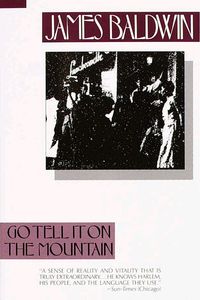
Go Tell It on the Mountain cover
Year 1952 Pages 233 Genre Match 85%

Go Tell It on the Mountain

But diverges

The Pentecostal church replaces political organizations as the pressure.

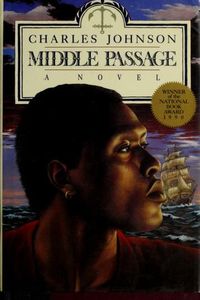
Middle Passage cover
Year 1993 Pages 127 Genre Non-Fiction Match 81%

Middle Passage

But diverges

A slave ship voyage replaces Harlem political life.

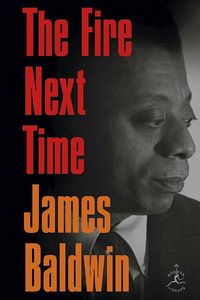
The Fire Next Time cover
Year 1962 Pages 120 Genre Non-Fiction Match 77%

The Fire Next Time

But diverges

Essays replace the fictional first-person narrator.

Why are these books similar to The Invisible Man?

Each of these books similar to The Invisible Man was chosen because it grapples with the same fundamental question Ralph Ellison posed: what does it mean to exist in a society that refuses to see you? These recommendations confront racial identity, institutional erasure, and the search for selfhood with the same unflinching honesty that defines Ellison's landmark novel.

Among these selections, you will find a woman's journey toward self-possession across the rural South and an epistolary account of survival and transformation under systemic oppression. Each work uses distinctive narrative voices to document experiences that dominant culture has historically tried to silence or simplify.

These recommendations are for readers who value fiction that confronts the American experience with psychological complexity, lyrical prose, and an unwillingness to offer comfortable resolutions.

R

Ralph Ellison

Explore more books →