





The Strange Case of Dr Jekyll and Mr Hyde
A potion rather than a portrait separates the sinner from sin.
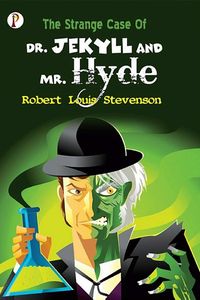
Robert Louis Stevenson published The Strange Case of Dr Jekyll and Mr Hyde just four years before Dorian Gray, and the two novels form a matched pair. Both ask what happens when a respectable man finds a way to indulge his darkest impulses without visible consequences. Jekyll's potion and Dorian's portrait serve the same function: they separate the sinner from the sin, letting the protagonist pursue pleasure while maintaining a spotless public reputation.
Stevenson writes with a tighter, more controlled hand than Wilde, building his story as a mystery that peels back layers of London respectability to reveal the horror underneath. The fog-choked streets feel like a physical manifestation of the moral murkiness the characters navigate. Where Wilde gave Dorian decades of corruption, Stevenson compresses the same arc into a novella, making every scene count.
Hyde is more overtly monstrous than Dorian, but that only highlights how much more frightening Dorian's situation is: at least Hyde looks like what he is. Dr Jekyll and Mr Hyde is the essential companion to Dorian Gray, two Victorian takes on the same terrifying question about human nature.