

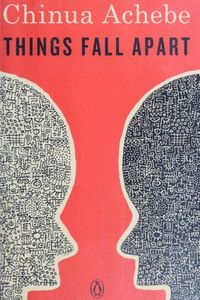



Things Fall Apart
Colonial arrival, not civil war, fractures the Igbo world.
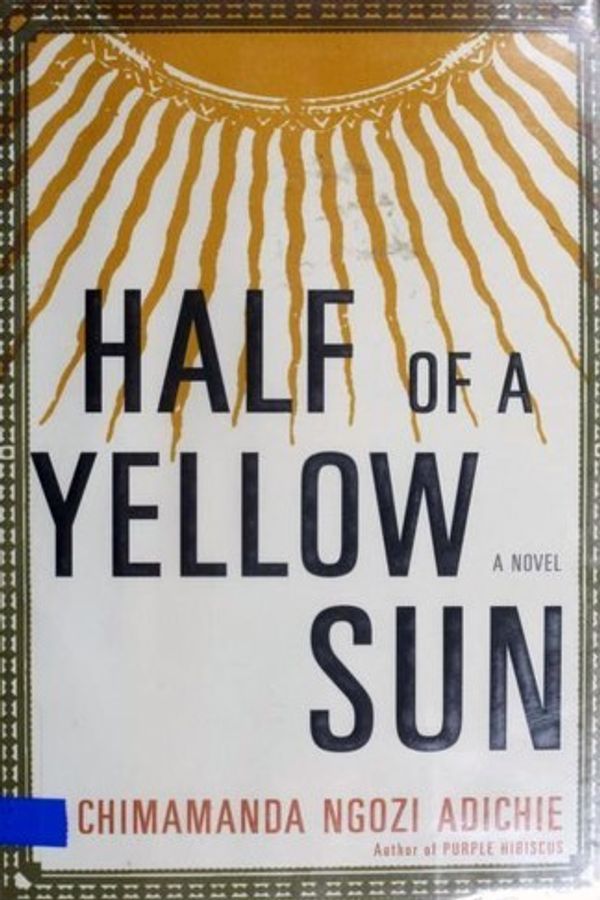
Chinua Achebe's foundational novel follows Okonkwo, a respected Igbo leader, as British colonialism dismantles the social order he has spent his life mastering. Like Half of a Yellow Sun, the novel presents Igbo culture as a complete world with its own logic, beauty, and internal tensions before external forces fracture it. Adichie has cited Achebe as her primary literary ancestor, and the connection shows in both writers' refusal to exoticize Nigerian life for Western readers.
Where Adichie writes the end of a nation, Achebe writes the end of a way of life, and both treat those losses with the gravity they deserve. The prose in both novels carries the cadence of Igbo oral tradition, using proverbs and storytelling patterns that give the narrative a communal feel. Both writers also insist on showing the flaws within the cultures they love: Okonkwo's rigidity and the class dynamics in Adichie's Nsukka are presented honestly.
For readers who want to understand the literary tradition from which Half of a Yellow Sun emerges, Things Fall Apart is where it begins.