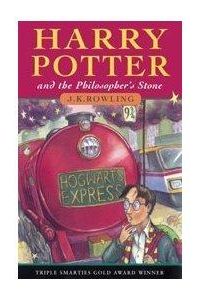



Harry Potter and the Philosopher's Stone
Hogwarts follows stricter rules while Nevermoor runs on wilder, shifting logic.
Harry Potter and the Philosopher's Stone by J.K. Rowling is the most obvious comparison to Nevermoor, and the most earned.
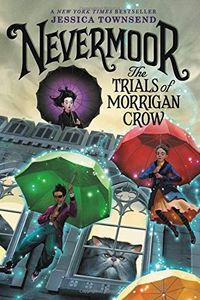
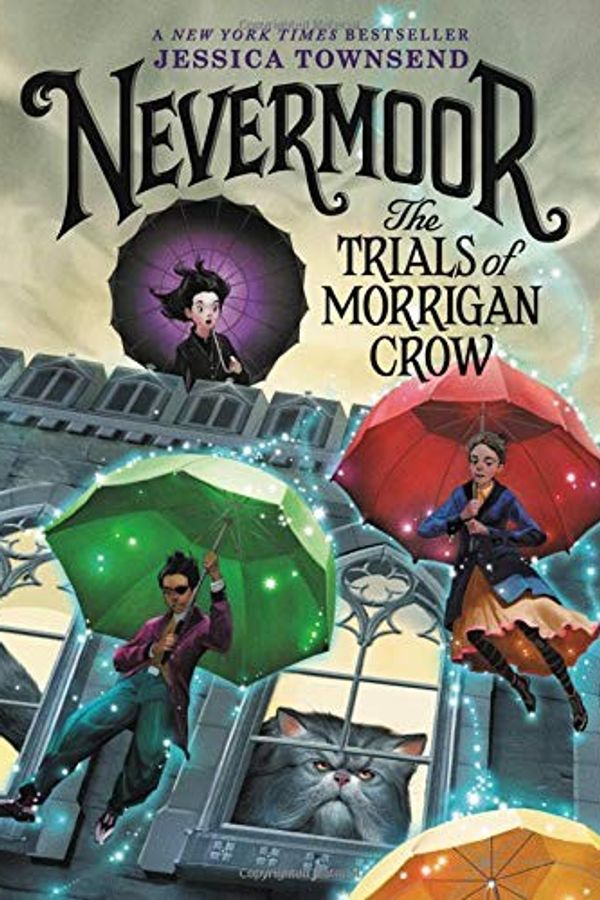
Both novels open with a miserable child trapped in a hostile home, rescued by a magical benefactor, and transported to a world of wonder where they must prove themselves through trials. The Wundrous Society parallels Hogwarts as a place where belonging must be earned and where the protagonist's uniqueness is both an asset and a target. Rowling and Townsend share a gift for naming things, for making magical institutions feel simultaneously grand and absurd.
Both write humor that arises from character rather than situation, and both create friendships that anchor the fantasy elements in real emotion. Where Rowling's world is more structured and rule-bound, Townsend's Nevermoor is wilder and more unpredictable, full of rooms that change and creatures that defy classification. The comparison is inevitable, but Townsend holds up to it, which is the highest compliment in this genre.