

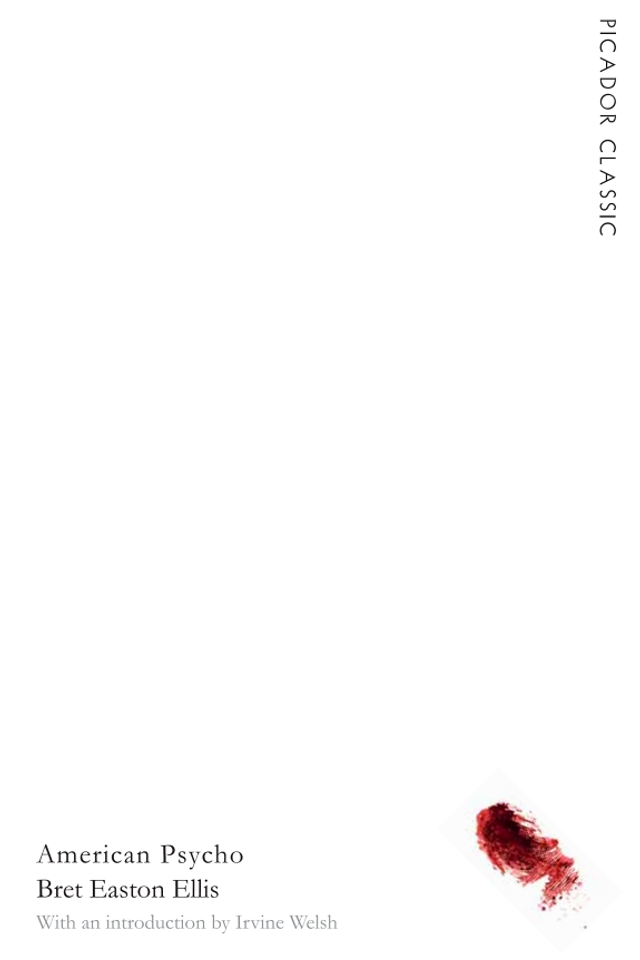
American Psycho
The protagonist finds no liberation, only clinical numbness.
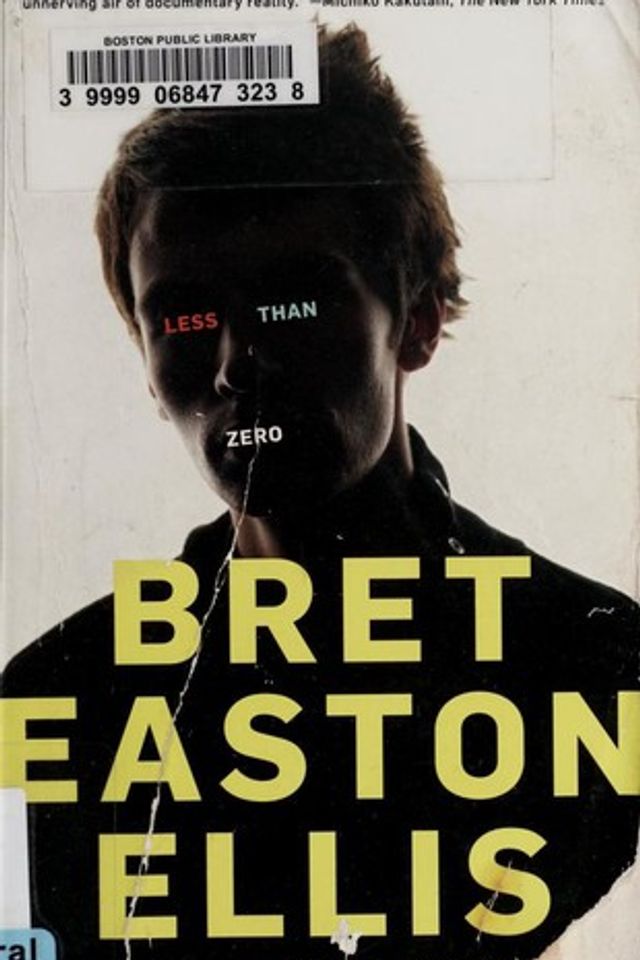
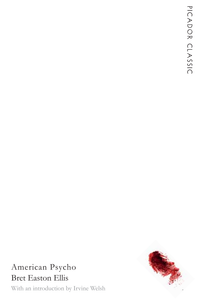
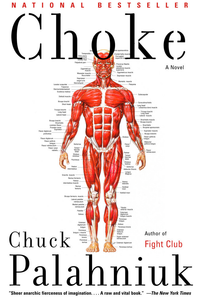
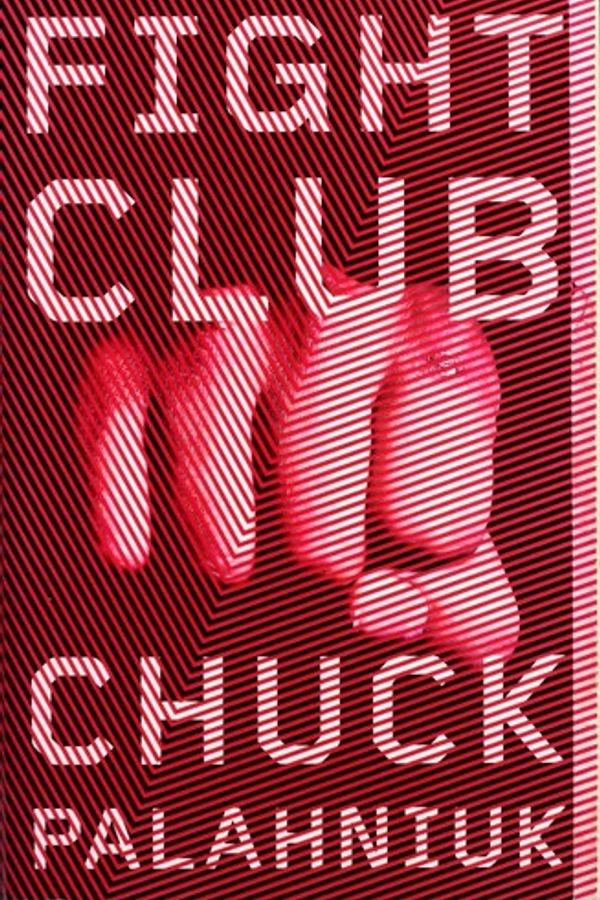
Bret Easton Ellis' American Psycho takes Fight Club's critique of consumer culture and pushes it past every boundary of taste and decency. Patrick Bateman, a Wall Street investment banker, describes his designer suits, restaurant reservations, and business card stock with the same flat precision he uses to describe acts of extreme violence. Ellis and Palahniuk both argue that consumer capitalism creates hollow people, but where Palahniuk's narrator finds liberation through destruction, Bateman finds nothing at all.
American Psycho is more satirical and more disturbing than Fight Club, and Ellis's clinical prose style creates a reading experience that feels deliberately numbing. Both novels use their protagonists' unreliable narration to blur the line between fantasy and reality. Both ask whether the violence is happening or whether it represents something the narrator cannot express through normal channels.
For readers who loved Fight Club's assault on consumer identity and want to see that same critique taken to its most extreme and uncomfortable conclusion, American Psycho is the definitive companion.