






Rebecca
A dead first wife haunts the marriage instead of a hidden living one.
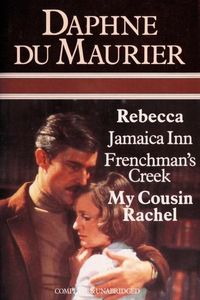
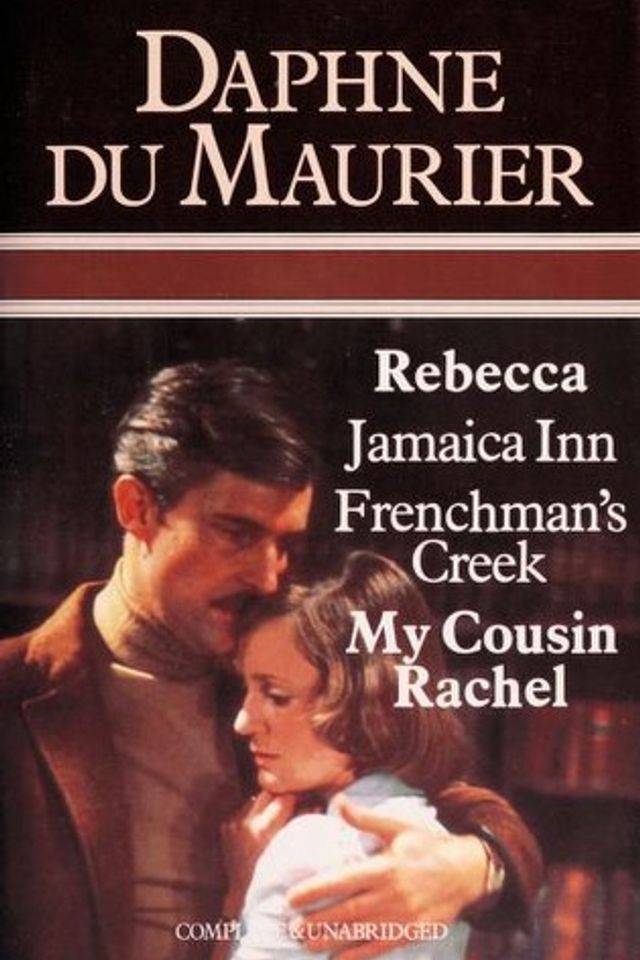
Daphne du Maurier published Rebecca in 1938, and it is the closest spiritual successor to Jane Eyre in all of English literature. An unnamed young woman, timid and unsophisticated, marries the wealthy Maxim de Winter after a whirlwind courtship in Monte Carlo. He takes her to Manderley, his grand estate on the Cornish coast, where the memory of his dead first wife Rebecca controls everything. The housekeeper Mrs. Danvers keeps Rebecca's room exactly as it was.
The staff compares the new wife to Rebecca constantly. The new Mrs. de Winter shrinks under the weight of a ghost she cannot compete with. Du Maurier builds dread the way Bronte does, through atmosphere rather than plot. Manderley is Thornfield Hall transplanted to the sea, a beautiful place with something rotten at its core.
The power imbalance between the nameless narrator and her husband mirrors Jane and Rochester's dynamic, but du Maurier pushes it in a different and darker direction. The twist, when it comes, reframes everything you thought you understood about the marriage. If Jane Eyre gave you a heroine who fought her way to equality, Rebecca gives you one still searching for solid ground.